Hey there! As a supplier of Mobile Gantry Cranes, I often get asked about the maximum gradient these bad boys can operate on. It's a crucial question, especially when you're looking to use a mobile gantry crane in various terrains and job sites. So, let's dive right into it and explore this topic in detail.
Understanding the Basics of Mobile Gantry Cranes
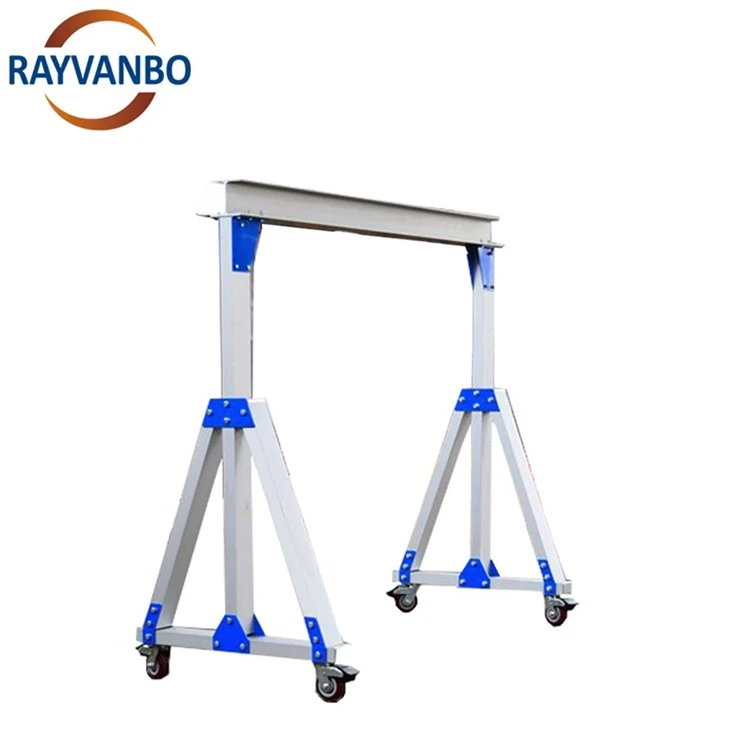
First off, let's quickly go over what a mobile gantry crane is. It's a versatile piece of equipment that can be easily moved around a job site. Unlike fixed gantry cranes, mobile ones offer flexibility and can be set up and taken down relatively quickly. They're used in a wide range of industries, from construction to manufacturing, for lifting and moving heavy loads.
There are different types of mobile gantry cranes available, like the Aluminum Gantry, which is lightweight and easy to transport, and the Factory Gantry Crane, designed for use in factory settings. The Single Girder Gantry Crane is another popular option, known for its simplicity and efficiency.
Factors Affecting the Maximum Gradient
Now, let's talk about the factors that determine the maximum gradient a mobile gantry crane can operate on. There are several key elements to consider:
1. Crane Design and Construction
The design and construction of the crane play a significant role. A well-built mobile gantry crane with a low center of gravity is more stable and can handle steeper gradients. The materials used in the crane's construction also matter. For example, a crane made from high-quality steel will be more robust and better able to withstand the forces exerted on it when operating on a slope.
2. Load Capacity
The weight of the load being lifted is a crucial factor. The heavier the load, the more difficult it is for the crane to operate on a gradient. As the gradient increases, the risk of the crane tipping over also increases, especially if the load is not properly balanced. So, it's essential to know the maximum load capacity of the crane and stay within its limits when operating on a slope.
3. Wheel and Track System
The type of wheels and track system on the crane can have a big impact on its ability to operate on a gradient. Some mobile gantry cranes are equipped with special wheels that provide better traction, allowing them to move more easily on slopes. The track system also needs to be designed to handle the forces exerted on it when the crane is operating on a gradient.
4. Terrain Conditions
The condition of the terrain is another important factor. A smooth, level surface is ideal for operating a mobile gantry crane, but in real-world situations, you may encounter uneven or sloped ground. Factors like the surface material (e.g., concrete, gravel, or grass), the presence of obstacles, and the weather conditions can all affect the crane's performance on a gradient.
Determining the Maximum Gradient
So, how do you determine the maximum gradient a mobile gantry crane can operate on? Well, it's not a one-size-fits-all answer. Different cranes have different capabilities, and the maximum gradient will depend on the factors we discussed above.
Most manufacturers provide guidelines and specifications for their mobile gantry cranes, including the maximum gradient they can safely operate on. These guidelines are based on extensive testing and engineering calculations to ensure the safety and performance of the crane.
As a general rule of thumb, a mobile gantry crane can typically operate on gradients of up to 5% to 10% without any major issues. However, this can vary depending on the specific crane model and the factors we mentioned earlier. For steeper gradients, additional precautions may need to be taken, such as using outriggers or stabilizers to increase the crane's stability.
Safety Considerations
Safety should always be the top priority when operating a mobile gantry crane on a gradient. Here are some important safety considerations to keep in mind:
- Pre-Operational Checks: Before operating the crane on a gradient, make sure to perform a thorough pre-operational check. Inspect the crane for any signs of damage or wear, check the brakes and controls, and ensure that the load is properly secured.
- Load Balancing: Proper load balancing is crucial when operating on a gradient. Make sure the load is centered and evenly distributed to prevent the crane from tipping over.
- Operator Training: Only trained and qualified operators should be allowed to operate the mobile gantry crane on a gradient. They should be familiar with the crane's capabilities and limitations and know how to safely operate it on slopes.
- Use of Safety Devices: Consider using additional safety devices, such as anti-tip devices or load monitoring systems, to enhance the safety of the crane when operating on a gradient.
Real-World Applications
Let's take a look at some real-world applications where mobile gantry cranes are used on gradients.
- Construction Sites: On construction sites, mobile gantry cranes are often used to lift and move heavy materials on sloped terrain. For example, they may be used to lift building materials to different levels of a multi-story building or to move equipment around a site with uneven ground.
- Warehouses and Factories: In warehouses and factories, mobile gantry cranes can be used to move goods and equipment on ramps or slopes. This can be useful for loading and unloading trucks or for moving materials between different areas of the facility.
- Outdoor Events: Mobile gantry cranes are also used in outdoor events, such as concerts or festivals, to set up and dismantle stages and equipment. These events often take place on uneven ground, and the ability of the crane to operate on gradients is essential.
Conclusion
In conclusion, the maximum gradient a mobile gantry crane can operate on depends on several factors, including the crane's design and construction, load capacity, wheel and track system, and terrain conditions. Most mobile gantry cranes can safely operate on gradients of up to 5% to 10%, but this can vary depending on the specific crane model.
As a supplier of Mobile Gantry Cranes, we understand the importance of providing our customers with high-quality, reliable equipment that can meet their specific needs. If you're in the market for a mobile gantry crane and have questions about its maximum gradient capabilities, don't hesitate to reach out to us. We'd be happy to help you find the right crane for your application and provide you with all the information you need to make an informed decision.
So, if you're interested in purchasing a mobile gantry crane or want to learn more about our products and services, please contact us today. We're here to assist you with your procurement needs and ensure that you get the best value for your money.

References
- Manufacturer's specifications and guidelines for mobile gantry cranes
- Industry standards and regulations for crane operation on gradients
- Engineering studies and research on crane stability and performance on slopes