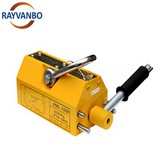
As a provider of magnetic lifters, I've often been asked about the effects of magnetic fields on the surrounding environment when these powerful tools are in use. In this blog, I'll delve into this question, exploring both the scientific aspects and practical implications.
Understanding Magnetic Fields in Magnetic Lifters
To begin with, let's understand what a magnetic field is. A magnetic field is a vector field that describes the magnetic influence on moving electric charges, electric currents, and magnetic materials. In the context of magnetic lifters, the magnetic field is what allows these devices to attract and lift ferromagnetic materials such as iron and steel.
There are different types of magnetic lifters, including Portable Magnetic Lifter, Pml Magnetic Lifter, and Permanent Magnetic Lifter. Each type generates a magnetic field in a slightly different way, but the fundamental principle remains the same: the magnetic field exerts a force on ferromagnetic objects, enabling them to be lifted and moved.
Effects on the Surrounding Environment
1. Influence on Ferromagnetic Objects
The most obvious effect of a magnetic field from a magnetic lifter is on ferromagnetic objects in the vicinity. The magnetic field can attract these objects, causing them to move towards the lifter. This is, of course, the intended function of the magnetic lifter. However, it can also have unintended consequences. For example, small ferromagnetic tools or debris in the area may be attracted to the lifter, potentially causing a safety hazard if they are not properly secured.
In industrial settings, this can be a concern when there are loose ferromagnetic parts or tools lying around. Workers need to be aware of the magnetic field's range and take precautions to ensure that these objects do not pose a risk. Additionally, the magnetic field can cause ferromagnetic objects to become magnetized themselves. This residual magnetism can affect the performance of these objects in subsequent processes or applications.
2. Impact on Electronic Devices
Magnetic fields can have a significant impact on electronic devices. Many electronic components, such as hard drives, credit cards, and pacemakers, are sensitive to magnetic fields. The magnetic field from a magnetic lifter can interfere with the normal operation of these devices.


Hard drives, for instance, store data magnetically. A strong magnetic field can corrupt the data stored on the drive or even damage the drive itself. Credit cards use magnetic strips to store information, and exposure to a magnetic field can erase or distort this data. Pacemakers, which are life - saving medical devices, can be affected by magnetic fields, potentially disrupting their normal functioning and putting the patient's life at risk.
Therefore, it is crucial to keep electronic devices at a safe distance from magnetic lifters. In industrial environments, workers should be educated about the potential risks and ensure that electronic devices are properly shielded or stored away from the area where magnetic lifters are in use.
3. Biological Effects
The biological effects of magnetic fields are a topic of ongoing research. While the magnetic fields generated by magnetic lifters are generally not as strong as those used in some medical or scientific applications, there is still a concern about their potential impact on living organisms.
Some studies have suggested that exposure to magnetic fields may have effects on the human body, such as changes in cell function and the nervous system. However, the evidence is not conclusive, and more research is needed to fully understand these effects. In general, the magnetic fields from magnetic lifters are considered to be relatively low - level, and the risk to human health is thought to be minimal as long as proper safety measures are taken.
Workers who are regularly exposed to magnetic lifters should follow safety guidelines, such as wearing appropriate personal protective equipment and limiting their exposure time. Additionally, the magnetic field strength should be monitored to ensure that it remains within acceptable limits.
4. Interference with Other Magnetic Equipment
In industrial settings, there may be other magnetic equipment or sensors in the vicinity of magnetic lifters. The magnetic field from the lifter can interfere with the operation of these devices. For example, magnetic sensors used for position detection or measurement may give inaccurate readings due to the presence of the magnetic field from the lifter.
This interference can lead to errors in industrial processes, affecting product quality and productivity. To mitigate this issue, proper shielding and separation techniques should be employed. Magnetic shielding materials can be used to reduce the magnetic field strength in specific areas, and the layout of the equipment should be designed to minimize the interaction between different magnetic sources.
Mitigating the Effects
1. Distance and Shielding
One of the simplest ways to mitigate the effects of the magnetic field is to increase the distance between the magnetic lifter and the sensitive objects or areas. The strength of the magnetic field decreases with distance, so keeping a safe distance can significantly reduce the risk of interference.
Shielding is another effective method. Magnetic shielding materials, such as mu - metal, can be used to redirect the magnetic field and reduce its strength in a particular area. This can be especially useful for protecting electronic devices or sensitive equipment.
2. Safety Training
Proper safety training is essential for workers who use magnetic lifters. They should be educated about the potential effects of the magnetic field on the surrounding environment, including the risks to ferromagnetic objects, electronic devices, and human health. Workers should also be trained on how to use the magnetic lifters safely, such as how to handle ferromagnetic objects in the vicinity and how to keep electronic devices away from the magnetic field.
3. Regular Maintenance and Inspection
Regular maintenance and inspection of magnetic lifters are crucial to ensure that they are operating properly. A malfunctioning magnetic lifter may generate an abnormal magnetic field, which can increase the risk of interference and safety hazards. By conducting regular checks, any issues can be detected and addressed promptly.
Practical Considerations for Magnetic Lifter Users
When using magnetic lifters, it is important to consider the specific requirements of the application and the surrounding environment. Here are some practical tips:
- Assess the Environment: Before using a magnetic lifter, assess the area for the presence of ferromagnetic objects, electronic devices, and other potential hazards. Identify any sensitive areas that need to be protected.
- Choose the Right Lifter: Select a magnetic lifter with the appropriate lifting capacity and magnetic field strength for the task. Using an overly powerful lifter can increase the risk of unintended effects on the environment.
- Follow Safety Procedures: Always follow the manufacturer's safety procedures and guidelines. This includes proper handling of the lifter, keeping a safe distance from sensitive objects, and using appropriate personal protective equipment.
Conclusion
In conclusion, the magnetic fields generated by magnetic lifters can have a variety of effects on the surrounding environment, including impacts on ferromagnetic objects, electronic devices, and potentially living organisms. While these effects can pose challenges, with proper understanding and precautions, they can be managed effectively.
As a magnetic lifter supplier, we are committed to providing high - quality products and ensuring that our customers are well - informed about the safe use of these devices. If you have any questions about magnetic lifters or need advice on how to mitigate the effects of magnetic fields in your specific application, please feel free to contact us. We are here to assist you in making the right choice and ensuring a safe and efficient working environment.
References
- "Magnetism and Magnetic Fields" by David J. Griffiths
- "Biological Effects of Magnetic Fields" edited by Michael Blank
- "Industrial Applications of Magnetic Lifters" by various industry experts in industrial engineering journals