Hey there! As a supplier of Sewing Jib Cranes, I've had my fair share of experience dealing with both domestic and international markets. And let me tell you, there are some pretty significant differences between the two. In this blog post, I'll break down these differences for you and give you a better understanding of what to expect when it comes to domestic and international Sewing Jib Cranes.
Design and Specifications
One of the first things you'll notice when comparing domestic and international Sewing Jib Cranes is the design and specifications. Domestic cranes are often tailored to meet the specific needs and standards of the local market. For example, in some countries, there might be strict regulations regarding the height, weight capacity, and safety features of these cranes. So, domestic manufacturers will design their Sewing Jib Cranes to comply with these local rules.

On the other hand, international Sewing Jib Cranes need to be more versatile. They have to meet a wider range of standards and requirements from different countries. This means that international cranes are usually designed with more flexibility in mind. They might have adjustable features that can be modified to suit various working conditions and regulations.
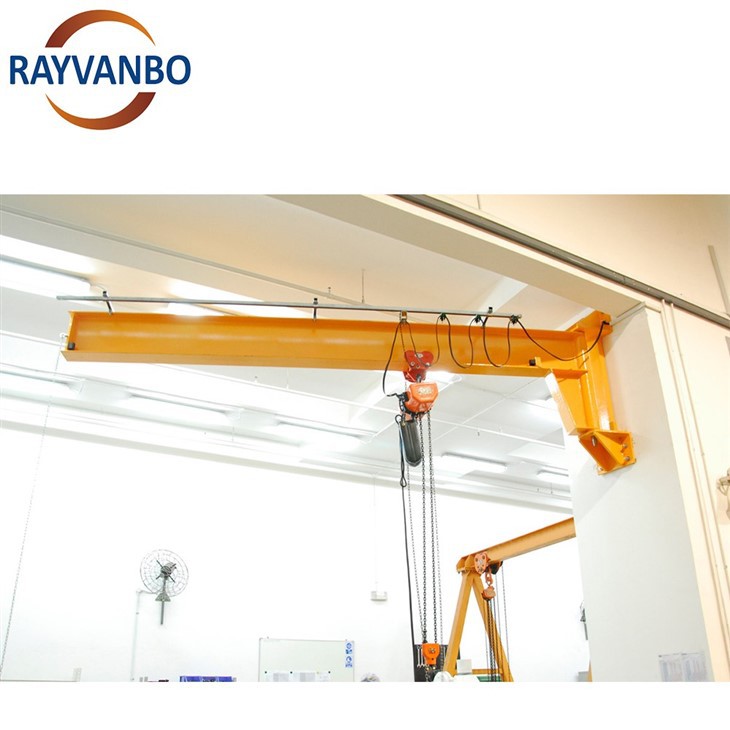
For instance, a Column Mounted Jib Crane designed for the domestic market might have a fixed height and weight capacity that's optimized for the most common applications in that country. But an international version of the same crane might come with options to adjust the height, extend the jib arm, or increase the weight capacity to meet the diverse needs of customers around the world.
Quality and Durability
Quality and durability are also areas where domestic and international Sewing Jib Cranes can differ. Domestic manufacturers often have a better understanding of the local working environment and the specific demands placed on the cranes. They can source materials locally, which might sometimes result in a more cost - effective and well - suited product for the domestic market.
However, international suppliers usually have to adhere to higher quality standards to compete in the global market. They often use advanced manufacturing techniques and high - quality materials to ensure that their cranes can withstand the rigors of different working conditions across the world.
Let's take the Wall Mounted Jib Crane With Electric Hoist 1 - 10 Ton Cantilever Crane Arm Crane as an example. A domestic version might be built to last for a certain number of years under normal local working conditions. But an international model of this crane will likely be engineered to have a longer lifespan, better corrosion resistance, and more reliable components to handle different climates and usage patterns.
Cost and Pricing
Cost is a major factor when it comes to choosing between domestic and international Sewing Jib Cranes. Domestic cranes generally have lower transportation costs since they don't have to be shipped across long distances. Also, they might benefit from local tax incentives or subsidies, which can make them more affordable for domestic customers.
International cranes, on the other hand, usually have higher upfront costs. This is due to factors such as shipping fees, import duties, and the cost of meeting international quality standards. However, it's important to look at the long - term value. Sometimes, the higher initial investment in an international crane can pay off in terms of better performance, longer lifespan, and lower maintenance costs over time.
For example, an Electric 270° 360 °Rotation 1t 3t 5t 10t 20t Cantilever Crane Slewing Jib Cranes from an international supplier might cost more initially, but it could offer more advanced features and better reliability, which can lead to increased productivity and savings in the long run.
After - Sales Service
After - sales service is another crucial aspect. Domestic suppliers usually have a better understanding of the local market and can provide more personalized and timely after - sales support. They can quickly dispatch technicians to the customer's site, source replacement parts locally, and offer on - site training and maintenance services.
International suppliers, however, might face challenges in providing immediate after - sales service. There could be issues with time zones, language barriers, and the logistics of getting technicians and parts to the customer's location. But many international suppliers are now investing in local service centers and support teams to overcome these problems and provide better after - sales care.
Market Trends and Demand
The market trends and demand for Sewing Jib Cranes also vary between domestic and international markets. In the domestic market, the demand might be driven by local industries such as manufacturing, construction, or warehousing. The trends could be influenced by local economic conditions, government policies, and technological advancements in the region.
In the international market, the demand is more diverse. Different countries have different industrial structures and growth rates. For example, emerging economies might have a high demand for cost - effective Sewing Jib Cranes to support their rapid industrialization, while developed countries might be more interested in high - tech, energy - efficient cranes.
Regulatory and Compliance
Regulatory requirements are a significant difference between domestic and international Sewing Jib Cranes. Domestic cranes must comply with local safety, environmental, and industry - specific regulations. These regulations can vary widely from one country to another.
International cranes, on the other hand, need to meet multiple sets of regulations. They might have to comply with international standards such as ISO (International Organization for Standardization) in addition to the specific regulations of the countries they are being exported to. This can make the manufacturing and certification process more complex for international suppliers.
Cultural and Business Practices
Cultural and business practices also play a role in the differences between domestic and international Sewing Jib Crane markets. In the domestic market, business relationships are often built on local networks and trust. Negotiations might be more informal, and there could be a greater emphasis on long - term partnerships.
In the international market, cultural differences can affect business transactions. Communication styles, negotiation tactics, and business ethics can vary significantly from one country to another. International suppliers need to be aware of these differences and adapt their business practices accordingly to build successful relationships with customers around the world.
Conclusion
So, there you have it - the main differences between domestic and international Sewing Jib Cranes. Whether you're a domestic or international customer, it's important to consider these factors when making a purchasing decision. As a Sewing Jib Crane supplier, I understand the unique needs of both markets and can help you find the right crane for your specific requirements.
If you're interested in learning more about our Sewing Jib Cranes or have any questions about purchasing, don't hesitate to reach out. We're here to assist you in finding the perfect crane solution for your business. Let's start a conversation and see how we can work together to meet your lifting needs.
References
- Industry reports on Sewing Jib Cranes from various market research firms.
- Interviews with domestic and international manufacturers and customers of Sewing Jib Cranes.