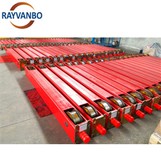
As a dedicated supplier of end carriages, I understand the critical importance of ensuring the stability of these essential components in various industrial applications. End carriages play a pivotal role in the smooth and safe operation of cranes, and their stability directly impacts the overall performance and longevity of the entire system. In this blog post, I will share some valuable insights and practical tips on how to ensure the stability of an end carriage, based on my extensive experience in the industry.
Understanding the Basics of End Carriage Stability
Before delving into the specific measures to ensure stability, it is essential to understand the fundamental factors that influence the stability of an end carriage. The stability of an end carriage is primarily determined by its design, construction, and installation. A well-designed end carriage should be able to withstand the various forces and loads it encounters during operation, including the weight of the crane, the load being lifted, and the dynamic forces generated during movement.
The construction of the end carriage also plays a crucial role in its stability. High-quality materials and precision manufacturing techniques are essential to ensure the structural integrity of the end carriage. Additionally, proper installation is vital to ensure that the end carriage is aligned correctly and securely attached to the crane. Any misalignment or loose connections can significantly compromise the stability of the end carriage and increase the risk of accidents.
Selecting the Right End Carriage for Your Application
One of the most important steps in ensuring the stability of an end carriage is selecting the right one for your specific application. There are various types of end carriages available on the market, each designed to meet different requirements and specifications. When choosing an end carriage, it is essential to consider factors such as the type of crane, the load capacity, the operating environment, and the specific application requirements.
For example, if you are using a crane in a heavy-duty industrial environment, you may need a more robust and durable end carriage that can withstand high loads and harsh conditions. On the other hand, if you are using a crane in a lighter-duty application, a more lightweight and cost-effective end carriage may be sufficient. It is also important to ensure that the end carriage is compatible with the crane's existing components and systems to ensure seamless integration and optimal performance.
Ensuring Proper Installation and Alignment
Proper installation and alignment are critical to ensuring the stability of an end carriage. During the installation process, it is essential to follow the manufacturer's instructions carefully and use the appropriate tools and equipment. The end carriage should be securely attached to the crane using the recommended fasteners and hardware, and all connections should be tightened to the specified torque.
In addition to proper installation, correct alignment is also essential to ensure the stability of the end carriage. The end carriage should be aligned parallel to the crane's runway and perpendicular to the bridge girder. Any misalignment can cause uneven loading on the wheels, which can lead to premature wear and tear and increase the risk of derailment. To ensure proper alignment, it is recommended to use a laser alignment tool or a precision measuring device.
Regular Maintenance and Inspection
Regular maintenance and inspection are essential to ensure the long-term stability and performance of an end carriage. Over time, the end carriage may experience wear and tear due to normal use, environmental factors, and other factors. Regular maintenance can help identify and address any potential issues before they become major problems, reducing the risk of downtime and costly repairs.
Some of the key maintenance tasks that should be performed regularly on an end carriage include lubrication, cleaning, and inspection of the wheels, bearings, brakes, and other components. The wheels should be inspected for signs of wear, such as flat spots or excessive tread wear, and replaced if necessary. The bearings should be lubricated regularly to ensure smooth operation and prevent premature failure. The brakes should be inspected and adjusted to ensure proper functioning and to prevent the end carriage from rolling freely when not in use.
Using High-Quality Components and Accessories
Using high-quality components and accessories is another important factor in ensuring the stability of an end carriage. The quality of the components used in the end carriage can significantly impact its performance and durability. When selecting components such as wheels, bearings, brakes, and couplings, it is important to choose products from reputable manufacturers that meet or exceed the industry standards.
In addition to high-quality components, using the right accessories can also enhance the stability of the end carriage. For example, using a Crane End Carriage with a swivel remote-controlled wheel block can provide greater flexibility and maneuverability, while also improving the stability of the end carriage. The Swivel Remote Controlled Wheel Block With Brake For Crane End Carriage Aluminium Radio Controlled Roller Bearing is designed to provide smooth and precise movement, even in challenging environments.
Training and Education
Proper training and education are essential for ensuring the safe and efficient operation of an end carriage. All personnel involved in the operation, maintenance, and inspection of the end carriage should receive comprehensive training on the proper procedures and safety guidelines. This includes training on the installation, alignment, maintenance, and troubleshooting of the end carriage, as well as training on the safe use of the crane and its associated equipment.

In addition to training, ongoing education and professional development are also important to keep up with the latest industry trends and technologies. Attending industry conferences, workshops, and training courses can provide valuable insights and knowledge that can help improve the stability and performance of the end carriage.
Conclusion
Ensuring the stability of an end carriage is essential for the safe and efficient operation of cranes in various industrial applications. By understanding the fundamental factors that influence stability, selecting the right end carriage for your application, ensuring proper installation and alignment, performing regular maintenance and inspection, using high-quality components and accessories, and providing proper training and education, you can significantly improve the stability and performance of your end carriage.
If you are in the market for a reliable and stable end carriage, I invite you to explore our wide range of End Carriage Of Eot Crane products. Our end carriages are designed and manufactured to the highest standards of quality and performance, and we offer a variety of options to meet your specific requirements. Contact us today to learn more about our products and to discuss your end carriage needs. We look forward to working with you to ensure the stability and success of your crane operations.
References
- Crane Manufacturer's Association of America (CMAA) Standards
- American Society of Mechanical Engineers (ASME) B30.2 Standard for Overhead and Gantry Cranes
- Occupational Safety and Health Administration (OSHA) Regulations for Crane Safety