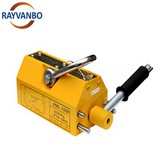
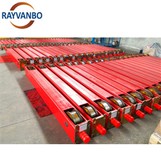
When it comes to portable mini cranes, one of the frequently asked questions is about their fuel consumption. As a supplier of portable mini cranes, I understand the importance of this aspect for our customers, as it directly impacts the operational cost and efficiency of using these cranes. In this blog, we'll delve into the factors influencing the fuel consumption of portable mini cranes and provide some insights to help you better understand this crucial metric.


Factors Affecting Fuel Consumption
Crane Capacity
The capacity of a portable mini crane plays a significant role in determining its fuel consumption. Generally, cranes with higher lifting capacities require more power to operate, which in turn leads to higher fuel consumption. For example, a Jib Crane 0.5 Ton 1 Ton 5 Ton 10 Ton Customized Portable Construction Cantilever Crane with a 10 - ton capacity will consume more fuel compared to a 0.5 - ton crane when performing similar tasks. This is because the larger crane needs to generate more force to lift heavier loads, and the engine has to work harder to provide that power.
Load Weight and Lifting Height
The weight of the load being lifted and the height to which it is lifted are also key factors. The heavier the load and the higher it needs to be lifted, the more energy the crane requires. When a crane is lifting a heavy load to a significant height, the engine has to operate at a higher power output for a longer period, resulting in increased fuel consumption. For instance, if you are using a 270 360 Degree Column Mounted 0.5t 1t 3t 5t Jib Crane to lift a 3 - ton load to a height of 20 meters, it will consume more fuel than if it were lifting a 1 - ton load to a height of 5 meters.
Operating Conditions
The operating conditions can have a substantial impact on fuel consumption. Working in harsh environments such as extreme temperatures, high humidity, or on uneven terrain can cause the crane's engine to work harder. In cold weather, the engine may take longer to reach its optimal operating temperature, which can increase fuel consumption during the warm - up period. Similarly, on uneven terrain, the crane's stability system may need to work continuously to keep the crane balanced, adding to the overall power demand and fuel usage.
Crane Design and Technology
The design and technology incorporated into the crane also affect fuel consumption. Modern portable mini cranes are often equipped with advanced engine management systems and energy - saving technologies. For example, some cranes use variable - speed engines that can adjust their power output according to the load requirements. This means that the engine doesn't have to run at full power all the time, resulting in lower fuel consumption. A Wall Mounted Jib Crane with such advanced features will be more fuel - efficient compared to older models with less sophisticated technology.
Measuring Fuel Consumption
Measuring the fuel consumption of a portable mini crane is not as straightforward as it might seem. There are several methods that can be used:
Direct Measurement
One of the most accurate ways is to measure the amount of fuel consumed over a specific period of operation. This can be done by filling the fuel tank to a known level, operating the crane for a set period or number of lifting cycles, and then refilling the tank to the same level. The difference in the amount of fuel added is the fuel consumption during that period. However, this method can be time - consuming and may not be practical in all situations.
Manufacturer's Specifications
Manufacturers usually provide estimated fuel consumption figures in the crane's technical documentation. These figures are based on standard operating conditions and typical load scenarios. While they can give you a general idea of the crane's fuel consumption, it's important to note that actual consumption may vary depending on the factors mentioned above.
Reducing Fuel Consumption
As a supplier, we are always looking for ways to help our customers reduce the fuel consumption of their portable mini cranes. Here are some tips:
Proper Maintenance
Regular maintenance of the crane is crucial for optimal fuel efficiency. This includes changing the oil, air filters, and fuel filters at the recommended intervals. A clean air filter allows the engine to breathe properly, while a clean fuel filter ensures that the engine is getting clean fuel, both of which contribute to efficient combustion and lower fuel consumption.
Load Management
Proper load management can also help reduce fuel consumption. Avoid overloading the crane, as this will cause the engine to work harder than necessary. Plan your lifting operations carefully to ensure that the crane is used efficiently. For example, group similar loads together to minimize the number of lifting cycles.
Operator Training
Well - trained operators can play a significant role in reducing fuel consumption. They can operate the crane in a way that maximizes efficiency, such as using smooth and precise movements instead of sudden starts and stops. Training operators on proper load handling techniques and the use of the crane's features can lead to significant fuel savings over time.
Conclusion
In conclusion, the fuel consumption of a portable mini crane is influenced by multiple factors, including crane capacity, load weight and lifting height, operating conditions, and crane design. By understanding these factors and implementing measures to reduce fuel consumption, such as proper maintenance, load management, and operator training, you can optimize the operational cost of your crane.
If you're in the market for a portable mini crane or want to learn more about how to manage fuel consumption, we're here to help. Our team of experts can provide you with detailed information about our products and offer advice on getting the most out of your crane. Don't hesitate to [reach out to us] for more information and to start a conversation about your specific needs. We look forward to working with you to find the perfect crane solution for your business.
References
- Crane Manufacturers Association of America (CMAA) standards on crane operation and efficiency.
- Technical manuals of various portable mini crane models.
- Industry research papers on fuel consumption in construction equipment.