As a seasoned overhead crane supplier, I've witnessed firsthand the challenges associated with crane noise in various industrial settings. Overhead cranes are essential for material handling, but the noise they generate can be a significant concern, not only for the comfort of workers but also for compliance with noise regulations. In this blog post, I'll share some effective noise reduction measures for overhead cranes.
Understanding the Sources of Noise in Overhead Cranes
Before we delve into the noise reduction measures, it's crucial to understand where the noise in overhead cranes comes from. The primary sources of noise include:
- Mechanical Components: The moving parts of an overhead crane, such as gears, bearings, and chains, can produce noise due to friction and vibration. For example, when the crane's hoist mechanism operates, the interaction between the gears and the chain can generate a significant amount of noise.
- Motor Operation: The electric motors used in overhead cranes are another major source of noise. The rotation of the motor's shaft and the magnetic fields within the motor can create audible vibrations.
- Contact with the Rails: As the crane moves along the rails, the wheels can produce noise due to the contact between the wheels and the rails. This noise can be exacerbated if the rails are not properly maintained or if the wheels are misaligned.
Noise Reduction Measures
1. Lubrication and Maintenance
Proper lubrication of mechanical components is one of the simplest and most effective ways to reduce noise. Lubricants reduce friction between moving parts, which in turn reduces the noise generated by their interaction. Regular maintenance, including checking and replacing worn-out parts, can also prevent excessive noise. For example, worn bearings can cause a high-pitched squealing noise, and replacing them can eliminate this problem.
2. Isolation and Damping
Isolating the crane's components from the surrounding structure can help reduce the transmission of noise. Rubber or polyurethane mounts can be used to isolate the motor and other vibrating components from the crane's frame. Damping materials, such as viscoelastic polymers, can also be applied to the crane's structure to absorb and dissipate vibration energy, reducing noise.
3. Rail Maintenance
Maintaining the rails is crucial for reducing noise. Regularly cleaning the rails to remove dirt and debris can prevent the wheels from slipping and generating noise. Additionally, ensuring that the rails are properly aligned and leveled can reduce the impact and vibration between the wheels and the rails. If the rails are damaged, they should be repaired or replaced promptly.
4. Sound Enclosures
Installing sound enclosures around noisy components, such as the motor or the hoist mechanism, can significantly reduce the noise emitted into the surrounding environment. These enclosures are typically made of sound-absorbing materials, such as fiberglass or acoustic foam, and can be designed to fit the specific shape and size of the component.
5. Low-Noise Components
When selecting components for the overhead crane, choosing low-noise options can make a big difference. For example, some manufacturers offer low-noise gears and bearings that are designed to operate more quietly. Additionally, using variable frequency drives (VFDs) for the motors can reduce the noise generated during motor startup and operation.
Specific Noise Reduction for Different Types of Overhead Cranes
Single Girder Overhead Crane
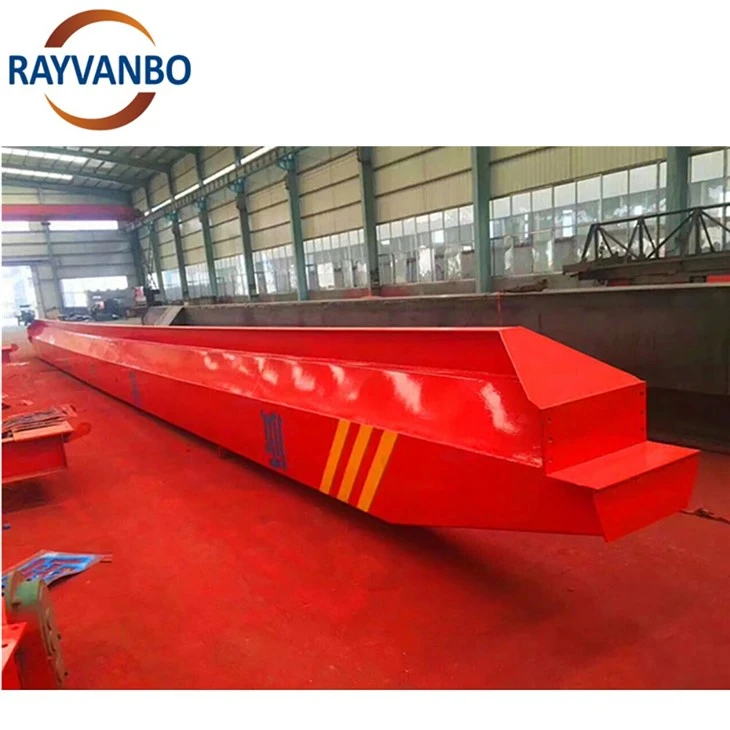
The Single Girder Overhead Crane is a popular choice for many industrial applications due to its simplicity and cost-effectiveness. To reduce noise in a single girder overhead crane, the same principles of lubrication, isolation, and rail maintenance apply. Additionally, ensuring that the hoist trolley is properly aligned and balanced can reduce the noise generated during hoisting and traversing operations.
Underhung Overhead Crane
The Underhung Overhead Crane is typically used in applications where headroom is limited. These cranes often run on an I-beam track, and the noise generated by the wheels running on the track can be a concern. To reduce this noise, using low-noise wheels and ensuring proper track alignment is essential. Sound enclosures can also be installed around the hoist and trolley to reduce noise emissions.
Overhead Crane Warehouse
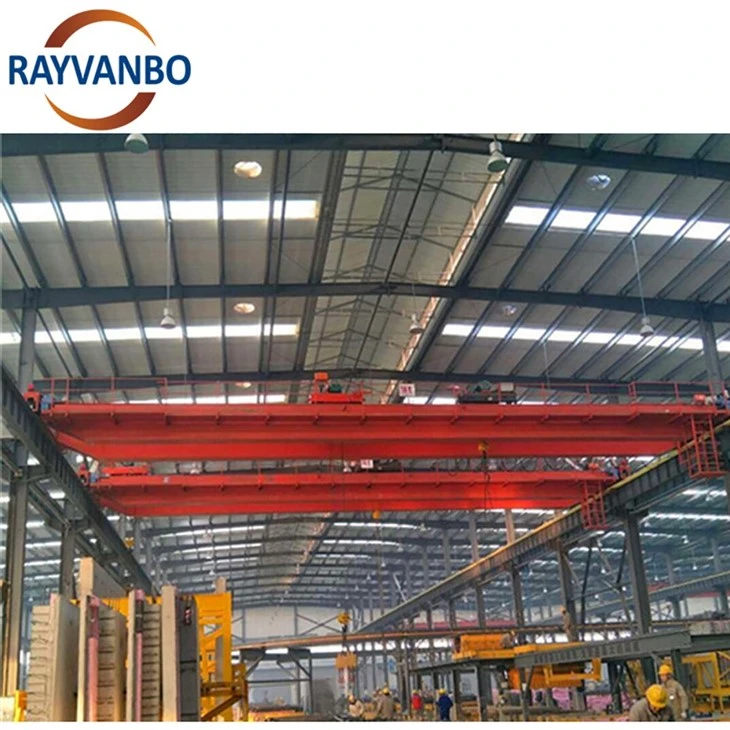
In an Overhead Crane Warehouse, multiple cranes may be operating simultaneously, which can lead to a cumulative noise problem. In addition to the individual noise reduction measures for each crane, the warehouse itself can be designed to minimize noise. For example, using sound-absorbing materials on the walls and ceiling of the warehouse can help reduce the reverberation of noise.
The Benefits of Noise Reduction
Reducing noise in overhead cranes offers several benefits. Firstly, it improves the working environment for employees, reducing the risk of hearing damage and improving overall comfort. This can lead to increased productivity and reduced absenteeism. Secondly, it helps companies comply with noise regulations, avoiding potential fines and legal issues. Finally, a quieter crane operation can enhance the company's reputation, especially in industries where noise pollution is a significant concern.
Contact Us for Noise Reduction Solutions
If you're facing noise issues with your overhead cranes or are interested in implementing noise reduction measures, we're here to help. As an experienced overhead crane supplier, we have the expertise and resources to provide you with customized solutions. Whether you need advice on lubrication, isolation, or the installation of sound enclosures, our team of experts can guide you through the process. Contact us today to start the conversation and take the first step towards a quieter and more efficient overhead crane operation.
References
- ASME B30.2 - Safety Standard for Overhead and Gantry Cranes
- OSHA Noise Regulations for Industrial Workplaces
- Crane Manufacturer's Association of America (CMAA) Guidelines for Crane Maintenance and Noise Reduction