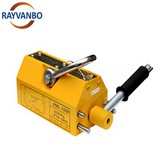
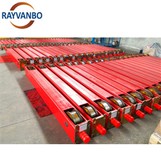
A crane wheel block is an essential component in the operation of various types of cranes, providing the necessary support and mobility for the lifting equipment. As a leading supplier of crane wheel blocks, I understand the importance of these components and the role they play in ensuring the smooth and efficient operation of cranes. In this blog post, I will discuss the main components of a crane wheel block and their functions.
1. Wheels
The most obvious component of a crane wheel block is the wheel itself. Wheels are the primary contact point between the crane and the runway or track on which it moves. They are typically made of high - strength steel to withstand the heavy loads and stresses associated with crane operation.
There are different types of wheels used in crane wheel blocks. For example, grooved wheels are commonly used on cranes that run on rails. The grooves in the wheels fit precisely onto the rails, providing stability and preventing the crane from derailing. Flanged wheels are another type, which have a flange on one or both sides to guide the crane along the track.
The diameter and width of the wheels are carefully selected based on the load capacity of the crane, the speed of operation, and the type of track or runway. Larger diameter wheels can distribute the load more evenly, reducing the pressure on the track and improving the overall stability of the crane.
2. Axles
Axles are the rods that support the wheels and allow them to rotate. They are a critical part of the crane wheel block as they transfer the weight of the crane and its load from the wheels to the rest of the wheel block assembly. Axles are usually made of high - strength alloy steel to ensure they can withstand the bending and torsional forces generated during crane operation.
The design of the axles is also important. They need to be precisely machined to ensure a proper fit with the wheels and the bearings. Some axles are designed with keyways or splines to prevent the wheels from slipping on the axle, which could lead to dangerous operating conditions.
3. Bearings
Bearings are used to reduce friction between the axles and the wheels, allowing the wheels to rotate smoothly. There are several types of bearings used in crane wheel blocks, including roller bearings and ball bearings.
Roller bearings are capable of handling heavy radial loads, making them suitable for use in crane applications where large weights are involved. They consist of cylindrical rollers that are arranged between an inner and outer race. Ball bearings, on the other hand, are better suited for applications where there are both radial and axial loads. They use balls instead of rollers to reduce friction.
Proper lubrication of the bearings is crucial for their long - term performance. Lubricants help to reduce wear and tear, prevent corrosion, and dissipate heat generated during operation. Regular maintenance and inspection of the bearings are also necessary to ensure they are in good working condition.
4. Housings
The housing is the structure that encloses the wheels, axles, and bearings. It provides protection for these components from dust, dirt, and other contaminants that could damage them. Housings are typically made of steel or cast iron, which are strong and durable materials.
The design of the housing also plays an important role in the performance of the crane wheel block. It needs to be rigid enough to support the components and prevent any excessive movement or vibration. Some housings are designed with access ports for easy inspection and maintenance of the internal components.
5. Brake Systems
In many crane applications, a brake system is an integral part of the wheel block. Brakes are used to stop the movement of the crane and hold it in place when necessary. There are different types of brake systems available, including electromagnetic brakes and hydraulic brakes.
Electromagnetic brakes work by using an electromagnetic field to engage or disengage the brake pads. They are fast - acting and can provide reliable stopping power. Hydraulic brakes, on the other hand, use hydraulic pressure to apply the brake pads. They are often used in larger cranes where more braking force is required.
The brake system needs to be carefully designed and calibrated to ensure it can safely stop the crane under different operating conditions. Regular testing and maintenance of the brakes are essential to prevent any potential failures.
6. Mounting Structures
Mounting structures are used to attach the crane wheel block to the rest of the crane. They need to be strong enough to transfer the loads from the wheel block to the crane structure. There are various types of mounting structures, such as bolt - on mounts and welded mounts.
Bolt - on mounts are easy to install and remove, which makes them convenient for maintenance and replacement. Welded mounts, on the other hand, provide a more permanent and rigid connection. The choice of mounting structure depends on the specific requirements of the crane and the operating environment.
The Importance of Quality Components
As a crane wheel block supplier, I emphasize the importance of using high - quality components in our products. The performance and safety of the crane depend largely on the quality of the wheel block. Inferior components can lead to premature wear, increased maintenance costs, and even safety hazards.
We source our materials from reputable suppliers and use advanced manufacturing processes to ensure the highest level of quality in our crane wheel blocks. Our products are also rigorously tested to meet or exceed industry standards.
Applications of Crane Wheel Blocks
Crane wheel blocks are used in a wide range of industries, including construction, manufacturing, and logistics. In construction sites, cranes with wheel blocks are used to lift and move heavy building materials such as steel beams and concrete blocks. In manufacturing plants, they are used to transfer heavy machinery and products within the facility. In logistics, cranes with wheel blocks are used in ports and warehouses to load and unload cargo.
Related Products and Systems
If you are interested in learning more about related products and systems, you can visit the following links:


- End Carriage Of Eot Crane: This link provides more information about the end carriage of an EOT (Electric Overhead Traveling) crane, which is an important part of the crane's movement system.
- Crane End Carriage: Here, you can find detailed information about the crane end carriage, which is closely related to the crane wheel block and plays a crucial role in the crane's operation.
- Wheel Block System: This link offers in - depth knowledge about the wheel block system, including its design, components, and applications.
Contact Us for Procurement
If you are in the market for high - quality crane wheel blocks, we invite you to contact us for procurement discussions. Our team of experts can provide you with detailed product information, technical support, and competitive pricing. We are committed to providing the best solutions for your crane needs.
References
- "Crane Design and Engineering Handbook"
- "Industrial Crane Systems: Design, Operation, and Maintenance"
- Industry standards and guidelines related to crane components