Hey there! As a supplier of end carriages, I've seen my fair share of end carriage failures over the years. It's not a fun thing to deal with, whether you're the one operating the crane or the one responsible for maintenance. So, I thought I'd share some of the common causes of end carriage failures that I've come across.
1. Overloading
One of the most common causes of end carriage failure is overloading. You know, it's like when you try to stuff too much stuff into your car's trunk. The end carriage is designed to handle a certain amount of weight, and when you exceed that limit, bad things can happen.
When an end carriage is overloaded, the wheels and axles have to bear more stress than they're supposed to. This can lead to premature wear and tear on the wheels. The wheels might start to develop flat spots, which can cause uneven movement of the end carriage. Over time, the axles can also bend or break under the excessive load. And let me tell you, a broken axle is a serious problem that can bring your crane operations to a halt.

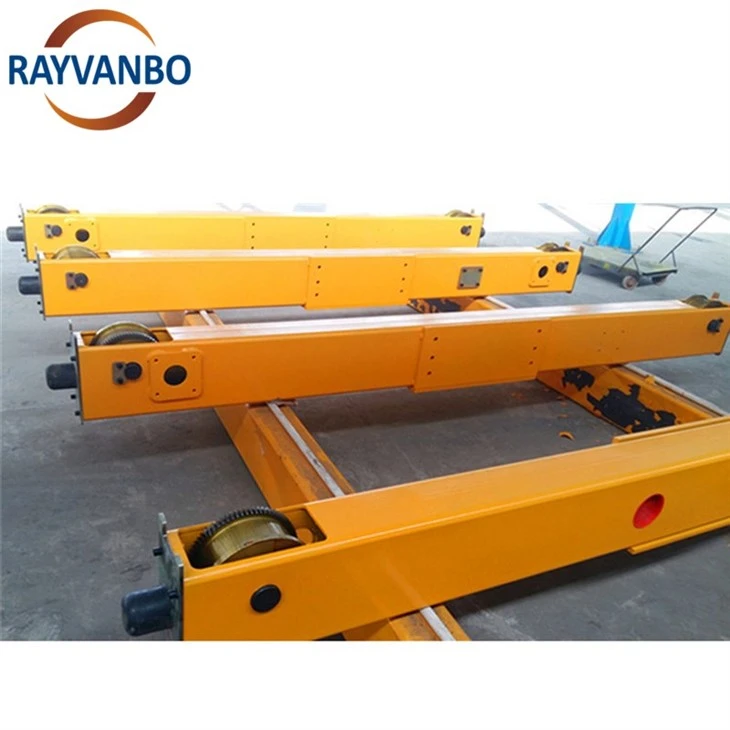
If you're using an end carriage, make sure you know its load capacity. You can find this information in the product specifications. And always follow the recommended load limits. Don't try to cut corners by overloading the end carriage, because it's just not worth the risk. You can check out our Bridge Crane End Trucks for more details on load capacities and other features.
2. Poor Maintenance
Another big culprit when it comes to end carriage failures is poor maintenance. You wouldn't neglect to change the oil in your car, right? Well, the same goes for your end carriage. Regular maintenance is crucial to keep it running smoothly.
One aspect of maintenance is lubrication. The moving parts of the end carriage, like the wheels, axles, and bearings, need to be properly lubricated. Without enough lubrication, there's increased friction between the parts. This friction can generate heat, which can damage the components. For example, the bearings can overheat and seize up, causing the end carriage to stop moving.
Inspection is also important. You should regularly check the end carriage for signs of wear and tear, such as cracks in the frame, loose bolts, or damaged wheels. If you catch these problems early, you can fix them before they turn into major failures. For instance, if you notice a small crack in the frame, you can have it repaired right away instead of waiting for it to grow and cause the frame to break.
Our Crane Wheel Block comes with detailed maintenance instructions to help you keep it in top condition. Make sure you follow these instructions to avoid any unnecessary failures.
3. Misalignment
Misalignment is another issue that can lead to end carriage failures. When the end carriage is not properly aligned, it can cause uneven stress on the components.
There are a few things that can cause misalignment. One is improper installation. If the end carriage is not installed correctly, it might be off-kilter from the start. For example, if the wheels are not parallel to each other or the tracks are not level, the end carriage will have a hard time moving smoothly.
Another cause of misalignment can be external factors, like vibrations from the surrounding environment or impacts from other equipment. These vibrations and impacts can gradually shift the end carriage out of alignment.
When the end carriage is misaligned, the wheels can wear unevenly. One wheel might bear more weight than the others, which can cause it to wear out faster. This can also lead to problems with the steering and movement of the end carriage. You might notice that the end carriage is veering to one side or making strange noises as it moves.
To prevent misalignment, make sure the end carriage is installed by a professional. And if you suspect that the end carriage is misaligned, have it checked and realigned as soon as possible.
4. Environmental Factors
The environment in which the end carriage operates can also have a big impact on its performance and lifespan.
Corrosion is a major problem, especially in outdoor or humid environments. When the end carriage is exposed to moisture, oxygen, and other corrosive substances, the metal parts can start to rust. Rust weakens the structure of the end carriage, making it more prone to failure. For example, a rusted frame might break under normal operating conditions.
Dust and debris can also cause problems. If there's a lot of dust in the air, it can get into the moving parts of the end carriage, like the bearings and gears. This can cause increased friction and wear. And if large debris gets in the way of the wheels or tracks, it can cause the end carriage to jam or derail.
Extreme temperatures can also affect the end carriage. In very cold temperatures, the metal can become brittle and more likely to crack. In very hot temperatures, the lubricants can break down, reducing their effectiveness.
To protect the end carriage from environmental factors, you can use protective coatings to prevent corrosion. And make sure to keep the area around the end carriage clean and free of debris. You can also choose end carriages that are designed to withstand specific environmental conditions. Check out our 1 Ton 5 Ton 10 Ton 20 Ton European Type End Carriage End Beam For Overhead Crane for options that are built to handle different environments.
Conclusion
So, there you have it - some of the main causes of end carriage failures. Overloading, poor maintenance, misalignment, and environmental factors can all take a toll on your end carriage. But the good news is that most of these problems can be prevented. By following the proper load limits, performing regular maintenance, ensuring correct installation and alignment, and protecting the end carriage from the environment, you can extend its lifespan and avoid costly failures.
If you're in the market for a new end carriage or need advice on maintenance and troubleshooting, don't hesitate to reach out. We're here to help you keep your crane operations running smoothly.
References
- Crane Industry Standards and Guidelines
- Manufacturer's Product Manuals