Can a Magnetic Lifter be Used in a Corrosive Environment?
As a supplier of magnetic lifters, I often receive inquiries from customers about the suitability of our products in various working conditions. One question that comes up quite frequently is whether a magnetic lifter can be used in a corrosive environment. In this blog post, I'll delve into this topic, exploring the potential challenges and solutions when using magnetic lifters in such settings.


Understanding Magnetic Lifters
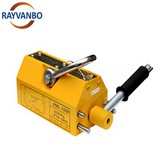
Before we discuss the use of magnetic lifters in corrosive environments, let's briefly understand what magnetic lifters are. Magnetic lifters are essential tools in many industries, designed to lift and transport ferromagnetic materials such as steel plates, bars, and profiles. There are different types of magnetic lifters available in the market, including Permanent Magnetic Lifter and Industrial Vacuum Lifters. Permanent magnetic lifters use permanent magnets to generate a magnetic field, while industrial vacuum lifters rely on vacuum suction to hold the load. Steel Plate Magnetic Lifter is a specific type of magnetic lifter designed for lifting steel plates efficiently.
The Impact of Corrosive Environments on Magnetic Lifters
Corrosive environments, such as those found in chemical plants, offshore oil rigs, and wastewater treatment facilities, pose significant challenges to the performance and longevity of magnetic lifters. Corrosion is a natural process that occurs when metals react with their environment, leading to the deterioration of the metal surface. In the case of magnetic lifters, corrosion can have several negative effects:
- Reduced Magnetic Performance: Corrosion can damage the magnetic components of the lifter, leading to a decrease in the magnetic field strength. This can result in a reduced lifting capacity, making it difficult or impossible to lift heavy loads safely.
- Structural Integrity: Corrosion can weaken the structural components of the magnetic lifter, such as the housing and frame. This can lead to cracks, fractures, or even complete failure of the lifter, posing a serious safety risk to operators and nearby personnel.
- Electrical Malfunctions: In the case of electromagnetic lifters, corrosion can affect the electrical components, leading to short circuits, power outages, or other electrical malfunctions. This can disrupt the operation of the lifter and cause downtime in the production process.
Factors Affecting Corrosion in Magnetic Lifters
Several factors can influence the rate and severity of corrosion in magnetic lifters in a corrosive environment:
- Type of Corrosive Agent: Different corrosive agents have different chemical properties and reactivity levels. For example, acids and alkalis are more corrosive than water or oxygen. The concentration and temperature of the corrosive agent also play a role in determining the rate of corrosion.
- Exposure Time: The longer the magnetic lifter is exposed to the corrosive environment, the greater the risk of corrosion. Continuous exposure to corrosive agents can accelerate the corrosion process and cause more severe damage to the lifter.
- Material Selection: The choice of materials used in the construction of the magnetic lifter can significantly affect its resistance to corrosion. Stainless steel, for example, is more corrosion-resistant than carbon steel. Using high-quality, corrosion-resistant materials can help extend the lifespan of the magnetic lifter in a corrosive environment.
- Surface Protection: Applying a protective coating or finish to the surface of the magnetic lifter can help prevent corrosion. Coatings such as epoxy, polyurethane, or zinc plating can provide a barrier between the metal surface and the corrosive environment, reducing the risk of corrosion.
Solutions for Using Magnetic Lifters in Corrosive Environments
Despite the challenges posed by corrosive environments, there are several solutions available to ensure the safe and efficient use of magnetic lifters in such settings:
- Material Selection: Choose magnetic lifters made from corrosion-resistant materials, such as stainless steel or aluminum. These materials have a higher resistance to corrosion and can withstand the harsh conditions of a corrosive environment.
- Surface Treatment: Apply a protective coating or finish to the surface of the magnetic lifter to prevent corrosion. This can include painting, galvanizing, or powder coating. The coating should be selected based on the specific corrosive environment and the requirements of the application.
- Regular Maintenance and Inspection: Establish a regular maintenance and inspection schedule for the magnetic lifter. This should include cleaning the lifter to remove any corrosive agents, checking for signs of corrosion or damage, and performing any necessary repairs or replacements.
- Enclosure and Sealing: Use enclosures or seals to protect the magnetic lifter from direct exposure to the corrosive environment. This can include using protective covers, gaskets, or seals to prevent the ingress of corrosive agents into the lifter.
- Monitoring and Testing: Implement a monitoring and testing program to detect any signs of corrosion or degradation in the magnetic lifter. This can include using non-destructive testing techniques, such as ultrasonic testing or magnetic particle testing, to detect hidden defects or damage.
Case Studies: Magnetic Lifters in Corrosive Environments
To illustrate the effectiveness of the solutions mentioned above, let's look at some real-world case studies of magnetic lifters being used in corrosive environments:
- Chemical Plant: A chemical plant was using magnetic lifters to lift and transport steel pipes in a highly corrosive environment. The original magnetic lifters were made from carbon steel and were experiencing severe corrosion, leading to reduced lifting capacity and frequent breakdowns. The plant replaced the carbon steel lifters with stainless steel magnetic lifters and applied a protective epoxy coating to the surface. Since then, the new lifters have been operating reliably for several years, with no signs of corrosion or performance issues.
- Offshore Oil Rig: An offshore oil rig was using magnetic lifters to lift and install heavy equipment on the platform. The harsh marine environment, with high levels of saltwater and humidity, was causing corrosion and damage to the magnetic lifters. The rig implemented a comprehensive maintenance and inspection program, including regular cleaning, lubrication, and corrosion protection. They also installed protective enclosures around the lifters to prevent the ingress of saltwater. As a result, the magnetic lifters have been able to operate safely and efficiently in the corrosive offshore environment.
Conclusion
In conclusion, while using a magnetic lifter in a corrosive environment presents significant challenges, it is possible to overcome these challenges with the right solutions and precautions. By choosing the appropriate materials, applying protective coatings, implementing regular maintenance and inspection programs, and monitoring the performance of the lifter, you can ensure the safe and efficient use of magnetic lifters in corrosive environments.
If you are considering using magnetic lifters in a corrosive environment or have any questions about our magnetic lifter products, please don't hesitate to contact us. Our team of experts is available to provide you with personalized advice and solutions to meet your specific needs. We look forward to working with you to find the best magnetic lifter solution for your application.
References
- ASM Handbook Volume 13A: Corrosion: Fundamentals, Testing, and Protection. ASM International.
- ASTM Standards on Corrosion Testing and Evaluation. ASTM International.
- Corrosion Engineering Handbook. McGraw-Hill Education.