Are magnetic lifters safe to use? That's a question I get asked a lot as a supplier of magnetic lifters. And it's a valid one, considering the heavy loads these things are designed to handle. In this blog post, I'm gonna break down the safety aspects of magnetic lifters, looking at how they work, the factors that can affect their safety, and the steps you can take to ensure you're using them safely.
First off, let's talk about how magnetic lifters work. Simply put, they use powerful magnets to create a strong holding force on ferromagnetic materials like steel. There are different types of magnetic lifters, such as permanent magnetic lifters and electro - magnetic lifters. Permanent magnetic lifters rely on the natural magnetic properties of the magnets inside them. They're always "on" and create a constant magnetic field. Electro - magnetic lifters, on the other hand, use an electrical current to generate a magnetic field. You can turn them on and off as needed, which gives you more control.
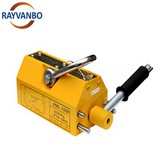
Now, to the big question: Are they safe? Generally speaking, when used correctly, magnetic lifters are incredibly safe. They offer a reliable and efficient way to lift and move heavy metal objects. For example, if you're in the construction industry and need to move Portable Magnetic Lifter steel plates around, a magnetic lifter can do the job quickly without the need for complicated rigging.
One of the main safety features of magnetic lifters is their holding power. These lifters are designed to have a high safety factor, meaning they can hold much more weight than their rated capacity. This extra margin of safety gives you peace of mind when you're using them. But that doesn't mean you can just overload them willy - nilly. It's crucial to always follow the manufacturer's guidelines regarding the maximum load capacity.
However, there are some factors that can affect the safety of magnetic lifters. The surface condition of the object you're lifting is a big one. If the surface is dirty, rusty, or uneven, it can reduce the magnetic holding force. Imagine trying to pick up a steel plate with a thick layer of rust on it. The magnetic field might not be able to penetrate through the rust effectively, and that could lead to the load slipping. So, before you use a magnetic lifter, make sure the surface of the object is clean and smooth.
Another factor is the temperature. Extreme temperatures can have an impact on the magnetic properties of the lifter. High temperatures can cause the magnets to lose some of their strength, while very low temperatures can make the metal more brittle. You need to be aware of the operating temperature range specified by the manufacturer and avoid using the lifter outside of that range.
The type of magnetic lifter you choose also matters. Steel Plate Magnetic Lifter are specifically designed for lifting steel plates, and they have features that optimize their performance for that task. If you try to use a steel plate magnetic lifter to lift a different type of object, it might not work as safely or effectively.
When it comes to using magnetic lifters safely, there are some best practices you should follow. First of all, always inspect the lifter before each use. Check for any signs of damage, such as cracks in the housing or loose parts. If you notice anything wrong, don't use the lifter until it's been repaired or replaced.
Proper training is also essential. Make sure anyone who's going to be using the magnetic lifter has received adequate training on how to operate it safely. They should know how to check the load capacity, how to position the lifter correctly on the object, and how to release the load safely.
During the lifting process, you need to be careful about how you handle the load. Don't jerk or swing the load around, as this can put extra stress on the magnetic lifter and increase the risk of the load falling. Keep the load stable and at a reasonable height.
Now, let's talk about maintenance. Regular maintenance is key to keeping your magnetic lifter safe. Follow the manufacturer's maintenance schedule, which might include things like lubricating moving parts, checking the electrical connections (if it's an electro - magnetic lifter), and testing the magnetic strength periodically.
If you're in the market for a magnetic lifter, we offer a wide range of options, including Pml Magnetic Lifter. Our lifters are built with safety in mind and are designed to meet the highest industry standards. Whether you need a portable magnetic lifter for small - scale jobs or a heavy - duty steel plate magnetic lifter for large construction projects, we've got you covered.
If you're interested in learning more about our magnetic lifters or have any questions about their safety and performance, I encourage you to reach out to us. We're here to help you make the right choice for your specific needs. You can start a conversation with us, and we'll be happy to discuss your requirements and provide you with all the information you need to make an informed decision.


In conclusion, magnetic lifters are generally safe to use when you take the necessary precautions. By understanding how they work, being aware of the factors that can affect their safety, and following best practices for use and maintenance, you can ensure a safe and efficient lifting operation. So, if you're in the business of moving heavy metal objects, a magnetic lifter could be a great addition to your equipment lineup.
References
- Industry standards for magnetic lifters
- Manufacturer's manuals for magnetic lifters
- Technical literature on magnetic properties and their relation to temperature and surface conditions