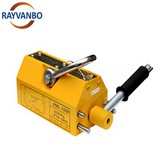
Hey there! As a supplier of 2 Ton Electric Chain Hoists, I often get asked if these powerful machines can be used for both vertical and horizontal lifting. Well, let's dive right into it and find out!
First off, let's talk a bit about what a 2 Ton Electric Chain Hoist is. It's a heavy - duty piece of equipment designed to lift and move loads of up to 2 tons. These hoists are commonly used in industrial settings, construction sites, warehouses, and more. They're powered by electricity, which makes them efficient and easy to operate.


Vertical Lifting
Vertical lifting is probably the most common use for a 2 Ton Electric Chain Hoist. And the answer is a resounding yes, it can definitely be used for this purpose. When you need to lift heavy objects straight up, like machinery, large containers, or building materials, a 2 Ton Electric Chain Hoist is a great choice.
The chain on these hoists is strong enough to handle the weight, and the motor is designed to provide a smooth and steady lift. Most 2 Ton Electric Chain Hoists come with safety features such as overload protection, which prevents the hoist from trying to lift more than its rated capacity. This is crucial for ensuring the safety of both the operator and the equipment.
For example, if you're working in a warehouse and need to lift a 2 - ton pallet of goods from the ground floor to a higher storage level, a 2 Ton Electric Chain Hoist can do the job quickly and efficiently. You simply attach the hoist to a suitable support structure, like a beam or a gantry, and then use the controls to lift the load vertically.
Horizontal Lifting
Now, what about horizontal lifting? Can a 2 Ton Electric Chain Hoist be used for that? The answer is also yes, but with some considerations.
When using a 2 Ton Electric Chain Hoist for horizontal lifting, you'll usually need a manual trolley. A manual trolley allows you to move the hoist horizontally along a beam or track. Our Electric Chain Hoist with Manual Trolley | 0.5 Ton to 5 Ton | Rayvanbo HHBB Series is a great option for this type of application.
However, there are a few things to keep in mind when doing horizontal lifting. First, the hoist is designed primarily for vertical lifting, so the chain and other components may experience different stresses during horizontal movement. You need to make sure that the load is properly balanced and secured to prevent it from swinging or tipping during the horizontal transfer.
Second, the speed of horizontal movement should be carefully controlled. Moving the load too quickly can cause the chain to become unstable, which could lead to accidents. It's important to follow the manufacturer's guidelines for horizontal lifting operations.
For instance, in a manufacturing plant, you might need to move a 2 - ton piece of equipment from one workstation to another. By using a 2 Ton Electric Chain Hoist with a manual trolley, you can safely and effectively move the load horizontally along an overhead beam.
Advantages of Using a 2 Ton Electric Chain Hoist for Both Types of Lifting
There are several advantages to using a 2 Ton Electric Chain Hoist for both vertical and horizontal lifting.
One of the biggest advantages is versatility. Instead of having to use two different types of equipment for vertical and horizontal lifting, you can use a single 2 Ton Electric Chain Hoist with the right accessories. This saves you money on equipment costs and also reduces the amount of space needed for storage.
Another advantage is efficiency. Electric chain hoists are generally faster and more precise than manual lifting methods. They can lift and move heavy loads with ease, which can significantly increase productivity in your workplace.
Safety is also a major benefit. As mentioned earlier, most 2 Ton Electric Chain Hoists come with safety features that help prevent accidents. This gives you peace of mind knowing that your workers and equipment are protected.
Factors to Consider Before Using
Before using a 2 Ton Electric Chain Hoist for vertical or horizontal lifting, there are a few factors you need to consider.
First, you need to make sure that the hoist is rated for the specific application. Check the manufacturer's specifications to ensure that it can handle the weight and type of load you'll be lifting.
Second, the environment in which you'll be using the hoist is important. If you're working in a dusty, wet, or corrosive environment, you'll need to choose a hoist that is designed to withstand these conditions.
Third, proper training and certification are essential. Operators should be trained on how to use the hoist safely and correctly. This includes understanding the controls, safety features, and maintenance procedures.
Maintenance and Care
To ensure the long - term performance and safety of your 2 Ton Electric Chain Hoist, regular maintenance and care are crucial.
You should inspect the hoist regularly for any signs of wear or damage, such as frayed chains, loose bolts, or malfunctioning controls. Lubricate the moving parts as recommended by the manufacturer to keep them running smoothly.
If you notice any issues with the hoist, don't try to fix it yourself unless you're qualified to do so. Contact a professional technician or the manufacturer for assistance. You can find more information about our 2 Ton Electric Chain Hoist and its maintenance requirements on our website.
Conclusion
So, to sum it all up, a 2 Ton Electric Chain Hoist can definitely be used for both vertical and horizontal lifting. It offers versatility, efficiency, and safety, making it a valuable addition to any industrial or construction site.
If you're in the market for a 2 Ton Electric Chain Hoist, we're here to help. Our hoists are of the highest quality and come with excellent customer support. Whether you need it for vertical or horizontal lifting, we've got you covered. If you're interested in learning more or are ready to make a purchase, feel free to reach out to us for a consultation. We'll be happy to discuss your specific needs and find the perfect solution for you.
References
- Manufacturer's manuals for 2 Ton Electric Chain Hoists.
- Industry standards for lifting equipment safety and operation.