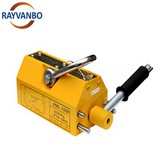
Hey there! As a supplier of Lever Blocks, I often get asked about the environmental considerations when using these handy tools. Well, let's dive right in and explore this topic.
First off, what's a Lever Block? A Lever Block is a type of manual hoist that's used for lifting and pulling heavy loads. It's a popular choice in many industries because it's relatively simple to use and doesn't require a power source other than human muscle. But just because it's manual doesn't mean there aren't any environmental factors to think about.
Material Sourcing and Production
The first environmental aspect to consider is the sourcing of materials and the production process. Most Lever Blocks are made of metal, like steel. Steel production is known to be energy - intensive and can have a significant environmental impact. Large amounts of coal are often used in the steel - making process, which releases greenhouse gases such as carbon dioxide into the atmosphere.
However, many modern steel manufacturers are taking steps to reduce their environmental footprint. They're using more recycled steel in their production, which requires less energy compared to producing steel from raw materials. As a supplier, I make sure to work with manufacturers who are committed to sustainable practices. By choosing suppliers that use recycled materials, we can reduce the overall carbon footprint of our Lever Blocks.
Usage and Maintenance
When it comes to using a Lever Block, there are also some environmental considerations. Since it's a manual tool, it doesn't consume electricity or fuel during operation. This is a huge plus in terms of reducing emissions. But that doesn't mean we can neglect proper usage and maintenance.
Proper usage of a Lever Block can extend its lifespan. When operators use the tool correctly, they reduce the risk of damage, which means fewer replacements are needed. Fewer replacements translate to less waste going to landfills. For example, if an operator over - loads a Lever Block, it can cause internal components to wear out quickly, leading to premature failure. By following the load - capacity guidelines, we can ensure the tool lasts as long as possible.
Maintenance is also crucial. Regularly lubricating the moving parts of a Lever Block can prevent excessive wear and tear. Using eco - friendly lubricants is a great way to reduce the environmental impact. These lubricants are often biodegradable and don't contain harmful chemicals that can contaminate soil or water if they leak.
Disposal
Eventually, a Lever Block will reach the end of its useful life. And how we dispose of it matters. Since most of it is made of metal, recycling is the best option. Metal recycling helps conserve natural resources and reduces the energy needed to produce new metal products.
As a supplier, I encourage my customers to recycle their old Lever Blocks. We can even assist them in finding local recycling facilities. By recycling, we're not only reducing waste but also contributing to a more circular economy.
Comparison with Other Hoisting Tools
Let's compare Lever Blocks with other types of hoisting tools, like Wire Rope Pulling Hoist and Manual Chain Hoist.
Wire Rope Pulling Hoists often use electric motors in some of their models. Electric motors consume electricity, and if the electricity is generated from non - renewable sources, it can have a significant environmental impact. On the other hand, manual Wire Rope Pulling Hoists are similar to Lever Blocks in terms of not using external power sources during operation.


Manual Chain Hoists are also manual tools, but they have different designs and components. They typically use chains for lifting, and chains can be more prone to rust if not properly maintained. Rusty chains can lead to more frequent replacements, which means more waste. Lever Blocks, with their more enclosed design, are often less susceptible to environmental damage and can have a longer lifespan with proper care.
Environmental Regulations and Standards
In many regions, there are environmental regulations and standards that hoisting tool manufacturers and suppliers need to comply with. These regulations are in place to protect the environment and human health. For example, there may be limits on the amount of certain chemicals that can be used in the production of hoisting tools.
As a supplier, I stay up - to - date with these regulations. I make sure that all the Lever Blocks we supply meet or exceed the relevant environmental standards. This not only helps protect the environment but also gives our customers peace of mind knowing that they're using a compliant and environmentally friendly product.
Conclusion
In conclusion, there are definitely environmental considerations when using a Lever Block. From material sourcing and production to usage, maintenance, and disposal, every stage has an impact on the environment. As a supplier, I'm committed to promoting sustainable practices in the industry.
If you're in the market for a Lever Block or other hoisting tools, I encourage you to consider the environmental aspects. By choosing a supplier who values sustainability, you can make a positive impact on the environment while still getting a high - quality product. Whether you need a Lever Block for a small DIY project or a large industrial application, we've got you covered. So, don't hesitate to reach out and start a conversation about your hoisting tool needs. Let's work together to make the world a greener place while getting the job done right.
References
- Environmental Protection Agency. "Sustainable Materials Management: Basics."
- Steel Manufacturers Association. "The Environmental Benefits of Steel Recycling."
- Occupational Safety and Health Administration. "Hoisting and Rigging Standards."