

Operating a Sewing Jib Crane safely and efficiently requires specialized training. As a Sewing Jib Crane supplier, we understand the importance of equipping operators with the necessary skills and knowledge. This blog will explore the comprehensive training needed to operate a Sewing Jib Crane effectively.
Understanding the Sewing Jib Crane
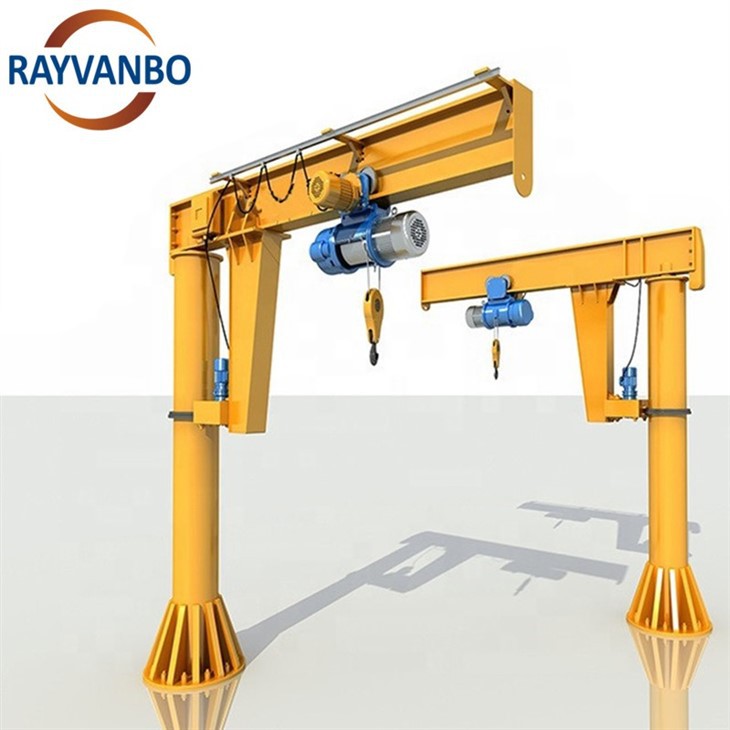
Before delving into the training requirements, it's crucial to understand the basic components and functions of a Sewing Jib Crane. A Sewing Jib Crane is a type of overhead crane that consists of a horizontal boom (jib) mounted on a vertical mast or column. The jib can rotate, allowing for a wide range of movement and flexibility in lifting and moving loads within a specific area.
The Sewing Jib Crane is commonly used in workshops, factories, and warehouses for tasks such as lifting heavy materials, positioning equipment, and assembling products. It is designed to handle various load capacities, depending on the specific model and configuration.
Training Requirements
1. Safety Training
Safety is the top priority when operating any type of crane, including a Sewing Jib Crane. Operators must receive comprehensive safety training to understand the potential hazards associated with crane operation and how to prevent accidents. This training should cover topics such as:
- Personal Protective Equipment (PPE): Operators should be trained on the proper use and maintenance of PPE, including hard hats, safety glasses, gloves, and steel-toed boots.
- Crane Inspection: Operators must learn how to perform pre - shift and periodic inspections of the Sewing Jib Crane to ensure its safe operation. This includes checking for any signs of damage, wear, or malfunction in components such as the boom, hoist, cables, and brakes.
- Load Handling: Understanding the principles of load handling is essential. Operators should be trained on how to properly attach and secure loads, calculate load capacities, and avoid overloading the crane.
- Emergency Procedures: In case of an emergency, operators need to know how to respond quickly and effectively. This includes procedures for stopping the crane, evacuating the area, and dealing with potential hazards such as fires or electrical malfunctions.
2. Technical Training
Technical training is necessary to ensure that operators have a thorough understanding of the Sewing Jib Crane's operation and controls. This training should cover the following aspects:
- Crane Controls: Operators need to be familiar with the different controls of the Sewing Jib Crane, including the hoist controls, boom rotation controls, and trolley movement controls. They should know how to operate these controls smoothly and accurately to lift and move loads safely.
- Electrical and Mechanical Systems: A basic understanding of the electrical and mechanical systems of the Sewing Jib Crane is important. Operators should learn about the power supply, motor operation, and the function of various components such as the hoist motor, gearbox, and brakes.
- Maintenance and Troubleshooting: Operators should be trained on basic maintenance procedures, such as lubrication, cleaning, and tightening of bolts. They should also be able to identify common problems and perform simple troubleshooting tasks to minimize downtime.
3. Operational Training
Operational training focuses on the practical aspects of using the Sewing Jib Crane in real - world scenarios. This includes:
- Load Placement: Operators need to learn how to position the load accurately at the desired location. This requires an understanding of the crane's reach, rotation, and the limitations of the load - handling equipment.
- Maneuvering the Crane: Operators should be trained on how to maneuver the Sewing Jib Crane in confined spaces, around obstacles, and in different working environments. This includes techniques for smooth acceleration, deceleration, and turning.
- Coordination with Other Workers: In many cases, crane operators need to work in coordination with other workers on the job site. They should be trained on how to communicate effectively with riggers, signalers, and other personnel to ensure safe and efficient operations.
Additional Training Considerations
1. Certification
In many regions, crane operators are required to obtain a certification to operate a Sewing Jib Crane. This certification typically involves passing a written exam and a practical skills test. Our company can provide guidance and support to operators in obtaining the necessary certifications.
2. Refresher Training
Regular refresher training is essential to keep operators up - to - date with the latest safety regulations, technological advancements, and best practices. Refresher training should be conducted at least once a year or more frequently if there are significant changes in the crane's operation or safety requirements.
3. Specialized Training
Depending on the specific application of the Sewing Jib Crane, operators may require specialized training. For example, if the crane is used in a hazardous environment, such as a chemical plant or a nuclear facility, additional training on safety procedures and hazard mitigation may be necessary.
Our Product Range
As a Sewing Jib Crane supplier, we offer a wide range of products to meet the diverse needs of our customers. Our product portfolio includes Mobile Jib Crane, which provides flexibility and mobility for lifting operations in different locations. We also offer 1 2 3 5 10 15 20 Ton Customized 180 - 360 Degree Rotation Jib Crane With Engine & Bearing For Workshop, which can be customized to suit specific load capacities and rotation requirements. Additionally, our 1 Ton Floor - Mounted Cantilever Jib Crane – 360° Rotation for Workshop Lifting is ideal for workshops and small - scale lifting operations.
Contact Us for Purchase and Training
If you are interested in purchasing a Sewing Jib Crane or need more information about our training programs, we encourage you to contact us. Our team of experts is ready to assist you in selecting the right crane for your needs and providing comprehensive training to ensure safe and efficient operation. Whether you are a small workshop or a large industrial facility, we have the solutions to meet your requirements.

References
- Occupational Safety and Health Administration (OSHA). Crane and Derrick Standards.
- American Society of Mechanical Engineers (ASME). B30.11 - Safety Standard for Overhead and Gantry Cranes.


