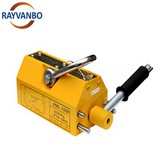
Magnetic lifters are indispensable tools in various industries, offering a reliable and efficient way to handle ferromagnetic materials. As a leading supplier of magnetic lifters, we often receive inquiries about the maximum temperature these devices can withstand. Understanding this critical parameter is essential for ensuring the safety, performance, and longevity of magnetic lifters in different working environments.
The Basics of Magnetic Lifters
Before delving into the maximum temperature tolerance, it's important to understand how magnetic lifters work. Magnetic lifters utilize the principle of magnetism to attract and hold ferromagnetic materials such as iron, steel, and nickel. There are two main types of magnetic lifters: permanent magnetic lifters and electromagnetic lifters.
Permanent magnetic lifters rely on the magnetic field generated by permanent magnets to hold the load. They are simple, reliable, and do not require a power source to maintain the magnetic force. Electromagnetic lifters, on the other hand, use an electric current to create a magnetic field. They offer greater control over the magnetic force and can be easily turned on and off.
Factors Affecting Temperature Tolerance
The maximum temperature a magnetic lifter can withstand depends on several factors, including the type of magnet used, the design of the lifter, and the materials employed in its construction.
Type of Magnet
The type of magnet is one of the most significant factors influencing temperature tolerance. Permanent magnets, such as neodymium magnets, are commonly used in magnetic lifters due to their high magnetic strength. However, neodymium magnets have a relatively low Curie temperature, which is the temperature at which a magnet loses its magnetic properties. The Curie temperature of neodymium magnets is typically around 310 - 400°C (590 - 752°F). As the temperature approaches the Curie temperature, the magnetic strength of the magnet decreases significantly.
Samarium - cobalt magnets, another type of permanent magnet, have a higher Curie temperature, ranging from 700 - 800°C (1292 - 1472°F). They can maintain their magnetic properties at higher temperatures compared to neodymium magnets. However, samarium - cobalt magnets are more expensive, which limits their widespread use.
Electromagnets, which use an electric current to generate a magnetic field, are generally more tolerant of high temperatures. The magnetic field of an electromagnet can be controlled independently of temperature, as long as the electrical components can operate within their specified temperature range.
Design of the Lifter
The design of the magnetic lifter also plays a crucial role in determining its temperature tolerance. A well - designed lifter will have proper heat dissipation mechanisms to prevent overheating. For example, some magnetic lifters are equipped with cooling fins or ventilation channels to allow heat to escape. Additionally, the internal structure of the lifter should be designed to minimize heat transfer to the magnetic components.
Materials of Construction
The materials used in the construction of the magnetic lifter can affect its temperature tolerance. High - temperature - resistant materials, such as heat - treated steels and ceramics, can be used to improve the lifter's ability to withstand elevated temperatures. These materials have good thermal stability and can prevent deformation or damage to the lifter at high temperatures.
Temperature Limits for Different Types of Magnetic Lifters
Pml Magnetic Lifter
Our Pml Magnetic Lifter is a popular choice for many industries. This type of lifter typically uses high - quality permanent magnets. Under normal operating conditions, it can withstand temperatures up to 80 - 100°C (176 - 212°F). However, if the lifter is exposed to temperatures above this range for an extended period, the magnetic strength may gradually decrease, leading to a reduction in the lifting capacity.
Tilting Vacuum Lifter
The Tilting Vacuum Lifter combines magnetic and vacuum technologies. The magnetic components in this lifter are designed to operate within a specific temperature range. Generally, the magnetic part of the tilting vacuum lifter can tolerate temperatures up to 120 - 150°C (248 - 302°F). The vacuum system, on the other hand, may have different temperature requirements depending on the type of seals and materials used.


Portable Magnetic Lifter
Our Portable Magnetic Lifter is designed for easy handling and mobility. Due to its compact size and design, it may have a slightly lower temperature tolerance compared to larger lifters. Typically, a portable magnetic lifter can withstand temperatures up to 60 - 80°C (140 - 176°F). It's important to note that these temperature limits are approximate and can vary depending on the specific model and usage conditions.
Testing and Certification
To ensure the reliability and safety of our magnetic lifters, we conduct rigorous temperature testing. Our testing procedures involve subjecting the lifters to various temperature conditions and measuring their magnetic strength and lifting capacity. We also follow international standards and certifications to guarantee that our products meet the highest quality and safety requirements.
Importance of Staying Within Temperature Limits
Operating a magnetic lifter beyond its maximum temperature tolerance can have serious consequences. Firstly, the magnetic strength of the lifter will decrease, which can lead to a reduction in the lifting capacity. This poses a significant safety risk, as the lifter may not be able to hold the load securely, resulting in potential accidents and damage to property.
Secondly, high temperatures can cause damage to the internal components of the lifter, such as the magnets, electrical wiring, and insulation. This can lead to premature failure of the lifter and increase maintenance costs.
Choosing the Right Magnetic Lifter for High - Temperature Applications
If you need to use a magnetic lifter in a high - temperature environment, it's important to choose the right model. Consider the following factors:
- Temperature Range: Determine the maximum temperature in your working environment and choose a lifter with a temperature tolerance that exceeds this range.
- Lifting Capacity: Ensure that the lifter has sufficient lifting capacity for your specific application, even at high temperatures.
- Material Compatibility: Consider the type of materials you will be lifting and ensure that the lifter is compatible with them.
Contact Us for More Information
As a leading supplier of magnetic lifters, we have a wide range of products to meet your specific needs. Whether you need a magnetic lifter for normal temperature applications or high - temperature environments, we can provide you with the right solution.
If you have any questions about the maximum temperature tolerance of our magnetic lifters or need assistance in choosing the right product for your application, please feel free to contact us. Our team of experts is always ready to help you make an informed decision. We look forward to discussing your requirements and providing you with the best magnetic lifting solutions.
References
- "Magnetism and Magnetic Materials" by David Jiles.
- "Handbook of Magnetic Materials" edited by Klaus H. J. Buschow.
- Industry standards and guidelines for magnetic lifters.