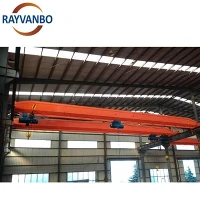
Hey there! As a supplier of overhead cranes, I know firsthand how crucial it is to keep these machines in top - notch condition. One of the biggest threats to overhead cranes is corrosion. Corrosion can weaken the crane's structure, reduce its lifespan, and even pose safety risks. So, let's dive into some corrosion - resistant measures for an overhead crane.
Understanding the Causes of Corrosion
Before we talk about the solutions, it's important to understand what causes corrosion in the first place. Overhead cranes are often exposed to harsh environments. Moisture is a major culprit. When metal parts of the crane come into contact with water, it can start a chemical reaction that leads to rust. Salt in the air, especially in coastal areas, can also accelerate the corrosion process. Industrial pollutants like sulfur dioxide and other chemicals can eat away at the crane's metal surfaces.
Coating and Painting
One of the most common and effective ways to protect an overhead crane from corrosion is through coating and painting. A high - quality paint acts as a barrier between the metal and the corrosive elements in the environment.
There are different types of paints available. Epoxy paints are popular because they offer excellent adhesion and resistance to chemicals and moisture. They can form a tough, durable layer on the crane's surface. Another option is polyurethane paint, which provides good UV resistance and a smooth finish.
When applying the paint, it's essential to prepare the surface properly. This means cleaning the crane thoroughly to remove any dirt, grease, or existing rust. Sandblasting is often used to create a rough surface that helps the paint adhere better. After sandblasting, the paint should be applied in multiple coats for maximum protection.
Galvanization
Galvanization is another great corrosion - resistant measure. It involves coating the steel parts of the crane with a layer of zinc. Zinc is a sacrificial metal, which means it corrodes before the steel. When the zinc layer is exposed to the environment, it forms a protective oxide layer that slows down the corrosion process.
Hot - dip galvanizing is a common method. In this process, the steel parts are dipped into a bath of molten zinc. This creates a thick, uniform zinc coating that adheres well to the steel. Galvanized cranes can last much longer in harsh environments compared to non - galvanized ones.
Regular Inspections
Regular inspections are key to preventing corrosion from getting out of hand. You should check the crane for signs of rust, paint damage, or any other signs of corrosion on a regular basis. Inspections can be done visually, but sometimes more advanced techniques like ultrasonic testing or magnetic particle testing may be required to detect hidden corrosion.
During an inspection, pay special attention to areas that are more prone to corrosion, such as joints, welds, and areas that are in contact with water or chemicals. If any signs of corrosion are found, they should be addressed immediately. This may involve cleaning the affected area, removing the rust, and reapplying the protective coating.


Environmental Control
Controlling the environment around the overhead crane can also help prevent corrosion. If the crane is located indoors, make sure the area is well - ventilated to reduce moisture levels. Dehumidifiers can be used to keep the air dry. In industrial settings, proper ventilation can also help remove pollutants from the air.
If the crane is outdoors, consider using covers or shelters to protect it from the elements. This can reduce the exposure to rain, snow, and sunlight, which can all contribute to corrosion.
Use of Corrosion - Resistant Materials
When manufacturing overhead cranes, using corrosion - resistant materials can make a big difference. Stainless steel is a popular choice because it contains chromium, which forms a passive oxide layer that protects the metal from corrosion. Aluminum is another option. It's lightweight and has good corrosion resistance, especially in environments where there is a lot of moisture.
However, using these materials may increase the cost of the crane. So, it's important to weigh the benefits against the cost.
Maintenance and Lubrication
Proper maintenance and lubrication are essential for preventing corrosion. Moving parts of the crane, such as gears, bearings, and chains, should be lubricated regularly. Lubrication not only reduces friction but also helps protect the metal from corrosion.
Make sure to use the right type of lubricant for the specific parts of the crane. Some lubricants are designed to provide extra protection against moisture and corrosion.
Our Product Offerings
At our company, we offer a range of overhead cranes that are designed with corrosion - resistant features in mind. Check out our Heavy Duty Overhead Crane. It's built to withstand tough environments and has all the necessary corrosion - resistant measures in place.
We also have the Custom Single Girder Overhead Bridge Crane | Electric Hoist Workshop Crane for Industrial Material Handling. This crane is customizable to meet your specific needs and is made with high - quality materials to resist corrosion.
And don't forget our Industrial Eot Crane. It's suitable for industrial applications and is designed to last in harsh conditions.
Contact Us for Purchase
If you're in the market for an overhead crane and want to learn more about our corrosion - resistant solutions, we'd love to hear from you. Whether you have questions about our products, need a quote, or want to discuss your specific requirements, we're here to help. Reach out to us, and let's start a conversation about how we can provide you with the perfect overhead crane for your needs.
References
- "Corrosion Prevention in the Construction Industry" by John Doe
- "Metals and Corrosion" by Jane Smith
- "Industrial Equipment Maintenance and Corrosion Control" by Robert Johnson