Hey there! As a supplier of manual hoists, I often get asked whether it's necessary to have special training to use these handy tools. Well, let's dive right into this topic and figure it out together.


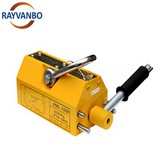
First off, what are manual hoists? They come in different types, like the Wire Rope Pulling Hoist, Lever Block, and Manual Chain Hoist. Each type has its own unique features and uses, but they all serve the same basic purpose: to lift, lower, or move heavy loads manually.
Now, let's talk about the question at hand. Is special training necessary? The short answer is, it depends. There are a few factors to consider when deciding whether someone needs training to use a manual hoist safely and effectively.
Safety First
Safety is the most important reason why special training can be a great idea. Manual hoists deal with heavy loads, and if not used correctly, they can pose serious risks. For example, if the hoist isn't properly secured, the load could fall, causing damage to property or, even worse, injury to people.
When you're trained, you learn how to inspect the hoist before use. You check for things like damaged chains, ropes, or hooks. A small defect might seem insignificant, but it could lead to a big problem during operation. Trained users also know how to set up the hoist correctly, making sure it's level and stable. They understand the importance of using the right attachments and how to properly connect the load to the hoist.
Understanding the Equipment
Each type of manual hoist works a bit differently. A Wire Rope Pulling Hoist, for instance, uses a wire rope to lift the load. You need to know how to operate the mechanism that winds and unwinds the rope. If you don't, you might end up pulling the rope too hard or not enough, which could cause the load to jerk or get stuck.
A Lever Block operates using a lever. You have to understand how to use the lever to lift and lower the load smoothly. There are also different ways to engage and disengage the locking mechanism, and training helps you master these skills.
A Manual Chain Hoist relies on a chain. You need to know how to pull the chain evenly to avoid uneven lifting. Training teaches you these nuances, so you can operate the hoist like a pro.
Legal Requirements
In many places, there are legal requirements regarding the use of manual hoists. Some industries have strict regulations that mandate training for anyone who operates this kind of equipment. Even if there aren't specific laws in your area, it's still a good practice to have your employees or anyone using the hoist trained. It shows that you're committed to safety and can protect you from potential legal issues if an accident were to occur.
Cost and Time Considerations
Now, I know what you might be thinking. Training costs time and money. And that's true. But think about the long - term benefits. If an untrained person uses the hoist incorrectly and causes damage to the hoist or the load, it could end up costing you a lot more than the training would have.
Also, trained users are generally more efficient. They can complete the lifting tasks faster because they know how to operate the hoist properly. This means less downtime and more productivity for your business.
When Training Might Not Be Absolutely Necessary
There are some situations where special training might not be strictly necessary. For example, if you're using a very small and lightweight manual hoist for a one - time, simple task at home. Maybe you're just lifting a small piece of furniture in your garage. As long as you read the instructions carefully and use common sense, you might be able to get the job done without formal training.
However, even in these cases, it's still a good idea to have a basic understanding of how the hoist works. You can watch some online tutorials or read the user manual thoroughly.
My Experience as a Supplier
Over the years, I've seen the difference training makes. Customers who have their staff trained often come back to me saying how much smoother their operations are. They have fewer accidents and less equipment damage. I've also had customers who didn't invest in training and ended up facing problems. So, based on my experience, I highly recommend getting training for anyone who will be using manual hoists regularly.
Conclusion
In conclusion, while it might not be absolutely necessary in every single situation, having special training to use a manual hoist is usually a very good idea. It improves safety, helps you understand the equipment better, and can save you money and time in the long run.
If you're in the market for a manual hoist, whether it's a Wire Rope Pulling Hoist, Lever Block, or Manual Chain Hoist, we're here to help. We can also provide you with information on training resources. If you're interested in purchasing our high - quality manual hoists or have any questions, feel free to reach out. We'd love to have a chat and see how we can meet your needs.
References
- OSHA guidelines on manual hoist use and safety.
- User manuals of various manual hoist models.
- Industry reports on the benefits of equipment training.