Hey there! As a supplier of Sewing Jib Cranes, I've had my fair share of experiences when it comes to transporting these nifty pieces of equipment. In this blog, I'm gonna walk you through the ins and outs of how to transport a Sewing Jib Crane safely and efficiently.
Pre - Transport Preparation
Before you even think about moving the Sewing Jib Crane, you gotta do some groundwork. First off, you need to conduct a thorough inspection of the crane. Check for any loose parts, damaged components, or signs of wear and tear. If you find anything, fix it right away. You don't want to be dealing with a broken part halfway through the transport.


Next, gather all the necessary tools and materials for disassembly. You'll likely need wrenches, screwdrivers, and maybe some packing materials like bubble wrap and sturdy boxes. It's a good idea to make a list of all the parts and their locations on the crane. This will make reassembly a whole lot easier later on.
Disassembly
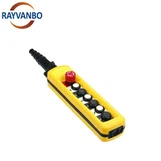
Disassembling the Sewing Jib Crane is a crucial step. Start by removing any detachable parts like hooks, chains, or control panels. These smaller parts are more prone to damage during transport, so it's best to pack them separately.
The jib arm is usually one of the larger components. You'll need to carefully loosen the bolts or fasteners that hold it in place. Make sure you have enough help when removing the jib arm, as it can be quite heavy. Once it's off, wrap it in bubble wrap to protect it from scratches and dents.
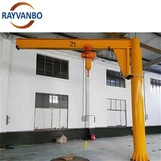
The base of the crane also needs to be taken care of. Some Sewing Jib Cranes have a column - mounted design, like the Column Mounted Jib Crane. If that's the case, you'll need to disconnect it from the mounting surface. Follow the manufacturer's instructions to avoid any damage to the base or the mounting area.
Packing
After disassembling the crane, it's time to pack everything up. For the smaller parts, use sturdy boxes and fill them with packing peanuts or bubble wrap to prevent movement. Label each box clearly with the contents inside.
The larger components, like the jib arm and the base, can be wrapped in thick blankets or moving pads. You can also use straps to secure the wrapping in place. If possible, place these larger parts on pallets. Pallets make it easier to load and unload the crane using a forklift.
Choosing the Right Transport Method
There are a few different ways to transport a Sewing Jib Crane. The choice depends on the size and weight of the crane, as well as the distance it needs to travel.
If you're moving the crane locally, a flatbed truck might be a good option. Flatbed trucks are easy to load and unload, and they provide a stable surface for the crane components. Make sure the truck is large enough to accommodate all the parts, and use straps to secure the load to prevent shifting during transit.
For longer distances or international shipments, you might consider using a freight forwarder. Freight forwarders have experience in handling heavy equipment and can arrange for the most suitable shipping method, whether it's by sea, air, or land. They can also take care of all the necessary paperwork, like customs clearance if you're shipping overseas.
Loading and Unloading
Loading the Sewing Jib Crane onto the transport vehicle is a critical step. Use a forklift or a crane (yes, another crane!) to lift the larger components onto the truck or container. Make sure the load is evenly distributed to prevent the vehicle from becoming unbalanced.
When unloading at the destination, follow the same safety procedures. Take your time and use the right equipment to avoid any accidents. Once everything is unloaded, check all the parts again for any damage that might have occurred during transport.
Reassembly
Now that the crane is at its new location, it's time to put it back together. Refer to the list you made during disassembly to ensure you're putting the parts in the right places. Start with the base and work your way up to the jib arm.
Tighten all the bolts and fasteners properly. Check the alignment of the jib arm and make sure it moves smoothly. Reattach the hooks, chains, and control panels. Once the reassembly is complete, conduct a final inspection and test the crane to make sure it's working correctly.
Different Types of Jib Cranes and Transport Considerations
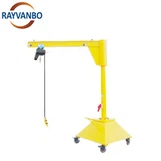
There are various types of jib cranes, and each might have specific transport requirements. For example, the Mobile Jib Crane is designed to be movable. However, when transporting it, you still need to follow the disassembly and packing steps. The mobility features might need to be secured to prevent damage during transit.
The Cantilever JIB has a unique design with a cantilevered arm. This arm needs to be carefully handled during disassembly and packing to avoid any bending or warping.
Safety First
Throughout the entire transport process, safety should be your top priority. Wear appropriate safety gear, like hard hats, gloves, and safety glasses. Make sure all the equipment you're using, like forklifts and straps, is in good working condition.
If you're not experienced in handling heavy equipment, it's a good idea to hire professionals. They have the skills and knowledge to transport the Sewing Jib Crane safely and efficiently.
Conclusion
Transporting a Sewing Jib Crane might seem like a daunting task, but if you follow these steps, it can be a smooth process. From pre - transport preparation to reassembly, every step is important to ensure the crane arrives at its destination in good condition.
If you're in the market for a Sewing Jib Crane or need more information about transporting them, don't hesitate to reach out. We're here to help you with all your crane - related needs. Whether you're a small business looking to improve your sewing operations or a large factory in need of heavy - duty equipment, we've got the right solutions for you.
References
- Crane Manufacturer's Manuals
- Industry Best Practices for Heavy Equipment Transport